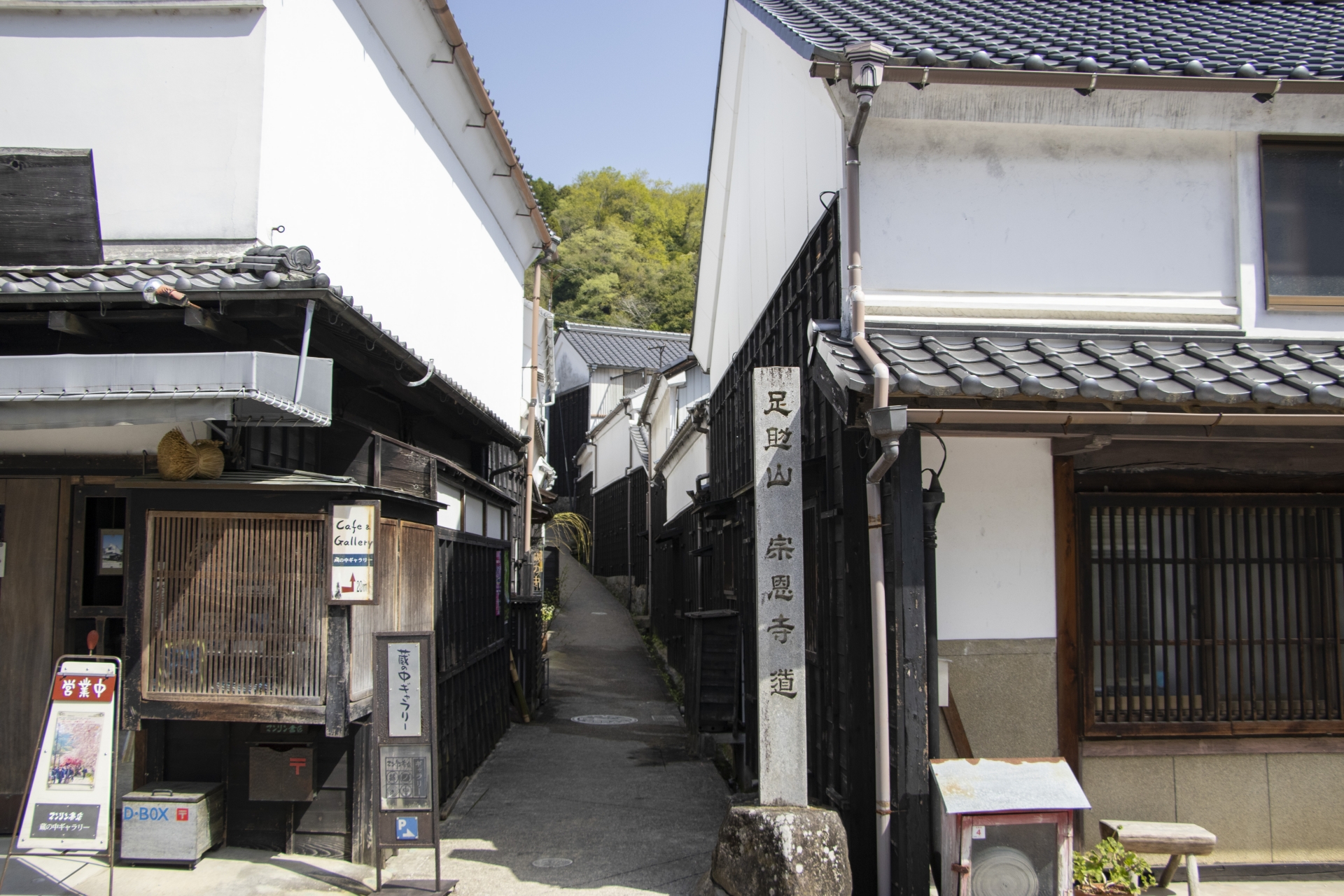
The Chūma Kaidō, also known as the Ina Kaidō, is a historic route that connected the inland regions of Shinano Province (present-day Nagano Prefecture) with Mikawa Province (now part of Aichi Prefecture). During the Edo period (1603–1868), this route was vital for transporting goods, especially salt, from coastal areas to mountainous inland regions.
🏘️ Historic Post Towns
Along the Chūma Kaidō, several shukuba (post towns) flourished, providing lodging and services to travelers and merchants. Notable among these is Asuke, a town that prospered as a key relay point for salt and other goods. Asuke’s well-preserved streets and traditional architecture offer a glimpse into Japan’s past.
🐴 The “Chūma” Traders
The term “Chūma” refers to the horse-based transporters who operated along this route. These traders, often local farmers, used their own horses to carry goods between regions. They formed organized groups to manage logistics and ensure the safe passage of commodities.
🌄 Cultural and Scenic Attractions
- Asuke Town: A historic town with traditional buildings, offering cultural experiences and seasonal festivals.
- Kōrankei Gorge: Famous for its stunning autumn foliage, attracting visitors seeking natural beauty.
- Traditional Crafts: Opportunities to engage in local crafts, such as indigo dyeing and weaving, are available in the region.
The Chūma Kaidō, also known as the Ina Kaidō, is a historic route that connected the inland regions of Shinano Province (present-day Nagano Prefecture) with Mikawa Province (now part of Aichi Prefecture). During the Edo period (1603–1868), this route was vital for transporting goods, especially salt, from coastal areas to mountainous inland regions.
🏘️ Historic Post Towns
Along the Chūma Kaidō, several shukuba (post towns) flourished, providing lodging and services to travelers and merchants. Notable among these is Asuke, a town that prospered as a key relay point for salt and other goods. Asuke’s well-preserved streets and traditional architecture offer a glimpse into Japan’s past.
🐴 The “Chūma” Traders
The term “Chūma” refers to the horse-based transporters who operated along this route. These traders, often local farmers, used their own horses to carry goods between regions. They formed organized groups to manage logistics and ensure the safe passage of commodities.
🌄 Cultural and Scenic Attractions
- Asuke Town: A historic town with traditional buildings, offering cultural experiences and seasonal festivals.
- Kōrankei Gorge: Famous for its stunning autumn foliage, attracting visitors seeking natural beauty.
- Traditional Crafts: Opportunities to engage in local crafts, such as indigo dyeing and weaving, are available in the region.
🚶♂️ Exploring the Route Today
Modern visitors can explore sections of the Chūma Kaidō through walking tours and cultural programs. The route offers a unique blend of historical insight and natural beauty, making it an enriching experience for those interested in Japan’s heritage.Modern visitors can explore sections of the Chūma Kaidō through walking tours and cultural programs. The route offers a unique blend of historical insight and natural beauty, making it an enriching experience for those interested in Japan’s heritage.


コメント